
Description
Product Overview
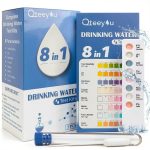
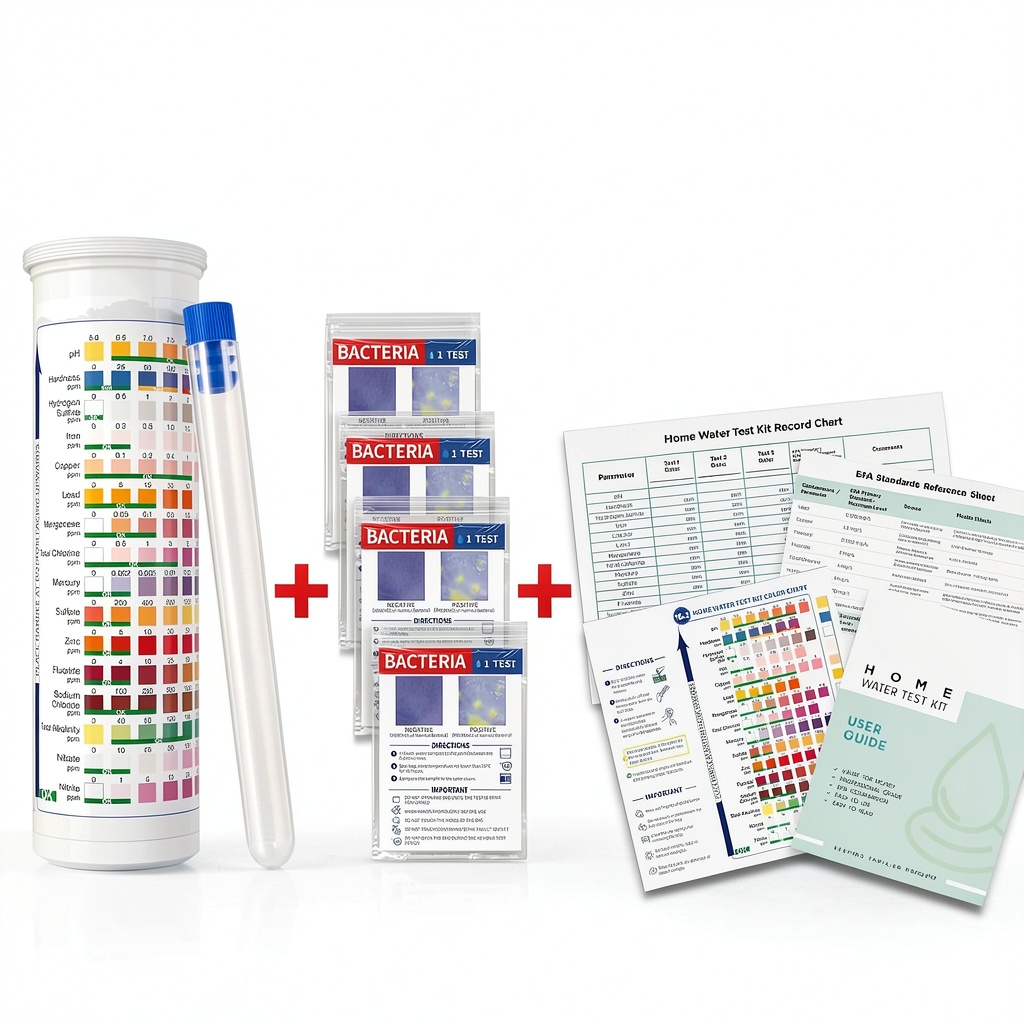
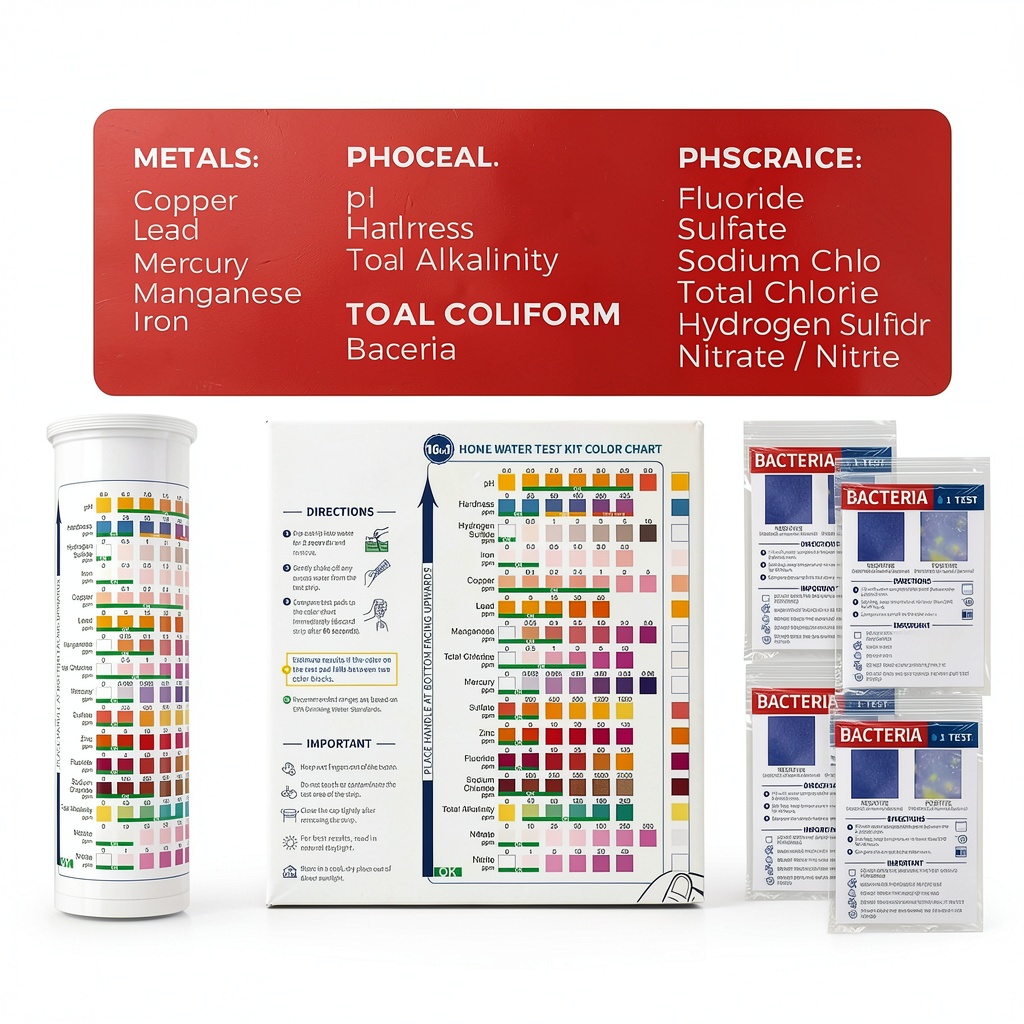
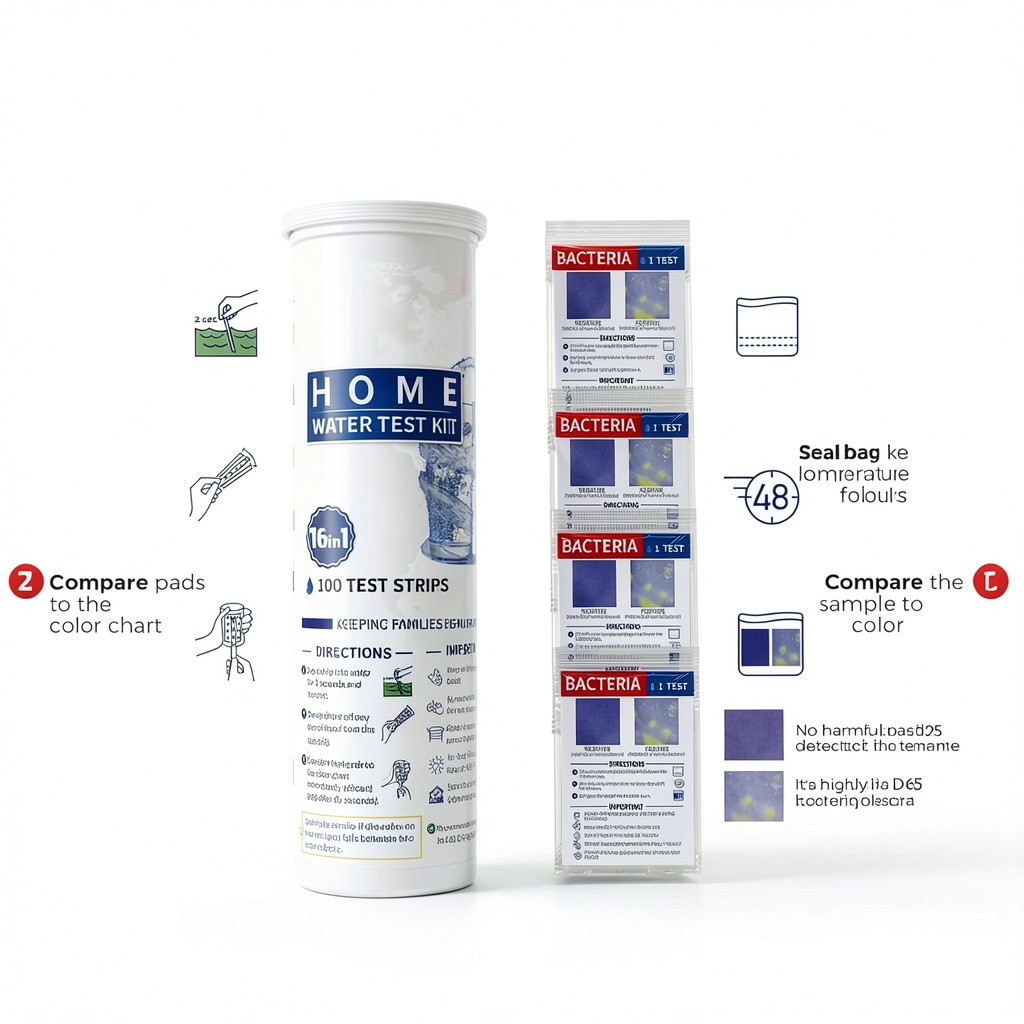
Introducing the HEVEIS 17‑in‑1 Water Testing Kit, a compact laboratory‑grade solution designed for homeowners, renters, and small‑business operators who need reliable insight into water quality at home or in the office. The kit measures twelve critical parameters, including hardness, lead, iron, fluoride, pH, and bacterial presence, using a total of one hundred high‑sensitivity test strips and four dedicated bacteria assays. Each strip is coated with a proprietary reagent that changes color instantly when immersed in a water sample, providing a clear visual readout that can be compared against the included chart. The kit’s dimensions of 2.13 × 3.62 × 6.5 inches and lightweight 6.74‑ounce construction make it easy to store in a kitchen drawer or toolbox, while the durable plastic casing protects the reagents from moisture and light.
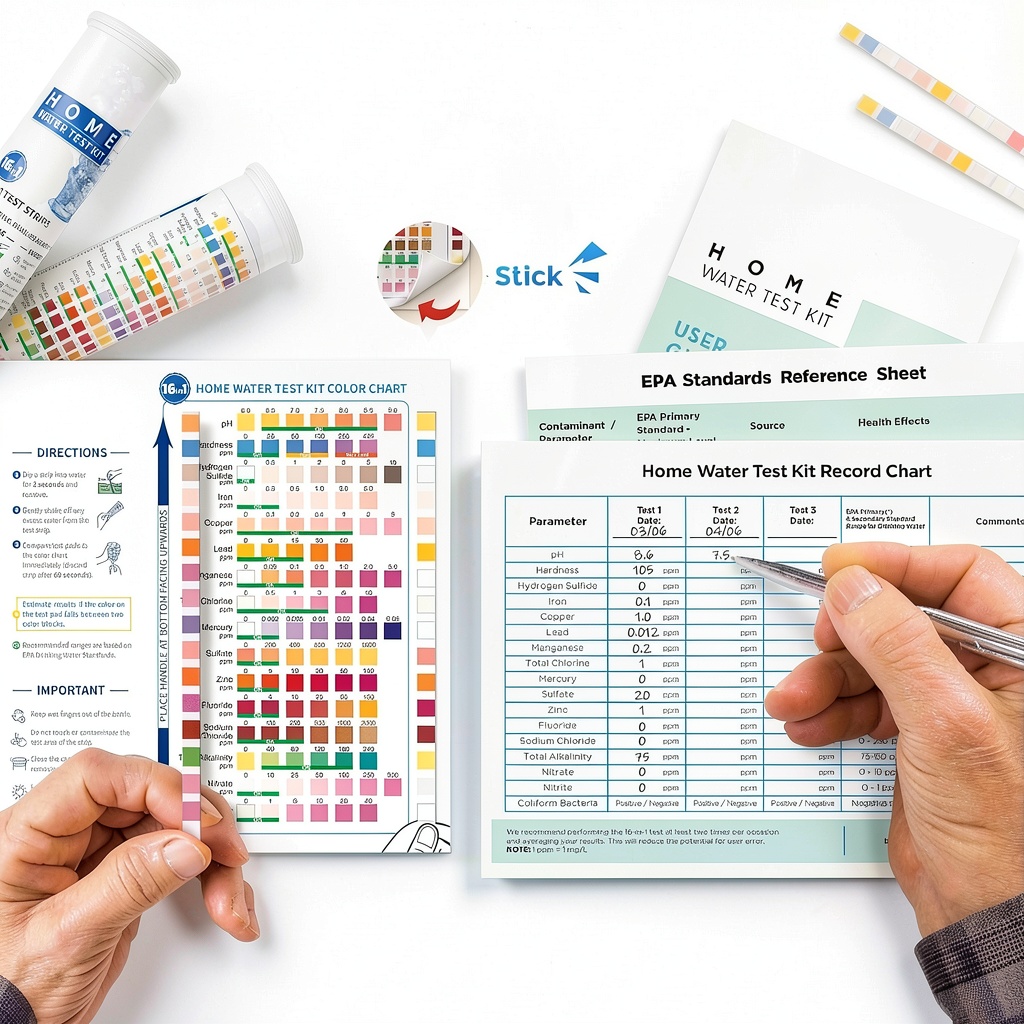
The included instruction booklet guides users through each testing step, from sample collection to result interpretation, ensuring accurate outcomes even for those with no prior laboratory experience. Color‑coded reference charts simplify the comparison process, allowing users to determine concentration levels at a glance. All reagents are formulated to remain stable for up to twelve months when stored in the sealed pouch, reducing the need for frequent replacements. Additionally, the kit complies with EPA guidelines for residential water testing, giving confidence that the measurements meet recognized safety standards.
The test strips are manufactured using a patented polymer matrix that protects the reactive chemicals from oxidation, guaranteeing consistent color development over the product’s lifespan. Each strip is individually sealed in a moisture‑proof pouch, allowing users to pull out a single strip without exposing the remaining supply to humidity. The kit also includes a calibrated pH indicator solution that works in conjunction with the strips to provide a more precise measurement of acidity or alkalinity, which is essential for maintaining optimal conditions in aquariums, hydroponic systems, and household appliances.
Designed with ergonomics in mind, the kit’s plastic case features a snap‑fit lid that securely closes while allowing quick access to the strips and test vials. The interior includes molded compartments that keep each component organized, preventing loss of small items such as the dropper bottle and the bacterial culture swabs. The external surface is printed with bold, high‑contrast graphics that remain legible even after prolonged exposure to sunlight, making the kit suitable for both indoor and outdoor storage scenarios.
The kit’s analytical range covers concentrations that are relevant for everyday consumption, with hardness detection from 0 to 500 ppm, lead detection down to 0.01 mg/L, and iron detection from 0 to 5 mg/L. Such sensitivity allows users to identify subtle changes that could indicate the early stages of pipe corrosion or the presence of trace metals that accumulate over time. The fluoride strip is calibrated to detect levels between 0.5 and 5 ppm, helping households verify compliance with recommended fluoride concentrations for dental health. By providing a comprehensive profile of water chemistry, the kit empowers users to make data‑driven decisions about installing water softeners, reverse‑osmosis systems, or point‑of‑use filters.
![[Product front view showing all components]](https://www.ajvora.store/wp-content/uploads/2026/07/a1348e142bb041e497fe12ea0141abf3.jpg)
Usage
The HEVEIS 17‑in‑1 kit is ideal for routine monitoring of municipal tap water, private well sources, and portable water containers used during travel or outdoor activities. By performing a quick dip test on a glass of water, users can detect elevated hardness that may cause scale buildup in appliances, identify lead contamination that poses health risks, and verify pH balance to prevent corrosion. The bacteria assays are particularly valuable for households relying on untreated well water, as they reveal the presence of coliform organisms that indicate potential microbial hazards.
Beyond residential use, the kit serves small‑scale commercial settings such as cafés, gyms, and daycare centers where water quality directly impacts product taste, equipment longevity, and occupant health. Regular testing can help facility managers schedule maintenance for water heaters, replace filters before they become overloaded, and comply with local health regulations that require documented water safety checks. The straightforward testing procedure requires only a few minutes, a clean sample cup, and the provided strips, making it feasible for staff members without specialized training.
For emergency preparedness, the compact kit can be included in a home disaster supply kit, allowing families to verify water safety after natural events such as floods or earthquakes. The rapid dip‑and‑read method enables users to obtain results within minutes, facilitating immediate decisions about whether to boil water, use filtration devices, or rely on alternative sources. The ability to test for bacterial contamination is especially critical when municipal water lines are compromised, as it helps prevent water‑borne illnesses.
Educational institutions can incorporate the kit into science curricula to demonstrate practical chemistry concepts such as acid‑base reactions, metal ion detection, and microbiology techniques. Students gain hands‑on experience by preparing samples, interpreting color changes, and discussing the implications of water quality on public health. The kit’s clear instructions and safe, non‑hazardous reagents make it an ideal teaching aid for middle and high school classrooms.
Why Choose Us
HEVEIS stands for high‑quality engineering and verification, a brand reputation built on delivering precise analytical tools at an affordable price point. Each component of the 17‑in‑1 kit undergoes rigorous quality control, including batch testing of reagent strips for color consistency and sensitivity, as well as verification of bacterial assay performance against known standards. This commitment to accuracy ensures that users receive trustworthy data that can guide informed decisions about water treatment and filtration upgrades.
The kit’s user‑friendly design eliminates the need for expensive laboratory equipment or professional services. All reagents are pre‑measured and sealed, reducing the risk of contamination and extending shelf life. The clear, color‑coded charts are printed on waterproof paper, ensuring readability even in humid environments such as basements or outdoor testing sites. By providing immediate visual feedback, the kit empowers users to take proactive steps toward improving water quality without delay.
Customer support is backed by a dedicated technical team that can assist with interpretation of results, troubleshooting of any strip inconsistencies, and recommendations for appropriate filtration solutions. HEVEIS offers a 30‑day satisfaction guarantee and a one‑year warranty on the kit’s components, reflecting confidence in product durability. This after‑sales service ensures that buyers receive ongoing value and peace of mind throughout the product’s lifecycle.
The environmental impact of the kit is minimized through the use of recyclable packaging materials and a reduced carbon footprint during manufacturing. HEVEIS sources its polymer components from suppliers that adhere to strict sustainability standards, and the compact design reduces shipping volume, resulting in fewer emissions per unit sold. Customers who prioritize eco‑friendly products can feel confident that their purchase aligns with responsible manufacturing practices.
The company’s commitment to transparency is reflected in the detailed batch certification reports that accompany each kit, outlining the exact chemical composition, sensitivity thresholds, and expiration dates of the test strips. These documents are accessible through a QR code printed on the packaging, enabling users to verify authenticity and traceability with a simple scan. By providing this level of openness, HEVEIS builds trust with its customers and differentiates itself from competitors that often rely on vague marketing claims without verifiable data.
HEVEIS continuously invests in research and development to expand the testing capabilities of its kits, ensuring that new contaminants such as emerging PFAS compounds can be incorporated in future versions. This forward‑looking approach demonstrates a commitment to staying ahead of regulatory changes and providing customers with tools that remain relevant as water quality standards evolve. By choosing this kit, users gain a future‑proof solution that can adapt to upcoming testing requirements.
Key Features
- Comprehensive 17‑in‑1 testing covers hardness, lead, iron, fluoride, pH, and bacterial presence, giving a full water quality profile in one convenient kit that meets EPA residential testing standards.
- Includes 100 high‑sensitivity test strips and four dedicated bacteria assays, ensuring ample supply for regular monitoring and long‑term water safety management for up to a year of routine checks.
- Easy‑read color change provides instant results without the need for electronic devices, making testing fast, reliable, and accessible for any user even in low‑light conditions.
- Durable, moisture‑proof packaging protects reagents, while the ergonomic case with snap‑fit lid keeps components organized and ready for on‑the‑go testing, ensuring reliable performance in harsh environments.
- HEVEIS offers 30‑day satisfaction guarantee and one‑year warranty, backed by responsive customer support ready to assist with results interpretation and product queries, and fast replacement parts if needed.
FAQ
How often should I test my drinking water with this kit?
Testing frequency depends on the source of your water and any changes in usage patterns. For municipal tap water that is regularly treated by the supplier, a quarterly test is sufficient to confirm that the water remains within safe limits and to detect any sudden spikes in contaminants such as lead or hardness. If you rely on a private well, seasonal variations, agricultural runoff, or nearby construction can affect water quality, so testing should be performed at least once every month, and more often after any event that could introduce pollutants. Households with infants, elderly members, or individuals with compromised immune systems may wish to test weekly for bacterial presence to ensure ongoing safety. The 17‑in‑1 kit provides enough strips and bacterial assays to support this schedule for an entire year, allowing you to maintain a consistent monitoring routine without the need for additional purchases. Remember to record each result in a logbook or digital spreadsheet so you can track trends over time and identify any gradual increases that may require professional intervention.
Can the test strips detect lead levels below the EPA action level?
Yes, the lead test strip in the kit is calibrated to detect concentrations as low as 0.01 mg/L, which is below the EPA action level of 0.015 mg/L for lead in drinking water. The strip uses a chelation chemistry that produces a distinct color shift when lead ions bind to the reagent, and the accompanying chart provides clear reference points for interpreting the intensity of the color. For the most accurate reading, it is important to follow the sample preparation instructions precisely: use a clean glass container, avoid touching the strip with fingers, and immerse the strip for the recommended time before comparing the color. If the result indicates a level above the safe threshold, you should immediately stop using the water for drinking or cooking, consider installing a certified lead‑removing filter, and contact your local water authority for further testing and remediation guidance. Regular testing with the same kit allows you to monitor any changes after remediation efforts, ensuring that the corrective measures remain effective over time. Keep records of each test to provide evidence if you need to discuss results with a plumber or health official.
What is the proper way to store the test strips to maintain accuracy?
The test strips retain their accuracy only when they are kept dry, away from direct sunlight, and stored at a stable temperature between 15 °C and 30 °C (59 °F‑86 °F). After opening the kit, each strip is individually sealed in a moisture‑proof pouch; it is essential to reseal the pouch tightly after each use to prevent humidity from degrading the reagents. The main case should be kept in a cool, dry place such as a kitchen cabinet or a dedicated drawer, and the lid must remain closed when the kit is not in use. Avoid storing the kit near sources of heat like ovens, radiators, or windows that receive prolonged sunlight, as excessive heat can accelerate chemical breakdown. For long‑term storage, you may also place a small desiccant packet inside the case, which helps absorb any residual moisture and extends the shelf life of the strips up to twelve months. If you notice any discoloration or a change in the strip’s appearance before use, discard the affected strip and replace it with a fresh one from the sealed pouch to ensure reliable results.
How do I interpret the color changes on the strips and what should I do if results exceed safe limits?
The color chart printed on the back of the kit provides reference swatches for each parameter, ranging from low to high concentration levels. After dipping a strip into the water sample, wait the specified time (usually 30 seconds to one minute) and then compare the strip’s color to the nearest swatch, noting the corresponding value. If the observed color falls between two swatches, choose the higher value for a conservative assessment. When results exceed the recommended safe limits—such as hardness above 200 ppm, lead above 0.015 mg/L, or bacterial presence indicated by a darkened zone—you should take immediate corrective action. This may involve installing or replacing a water softener, using a certified lead‑removing filter, boiling water before consumption, or contacting a professional water treatment service. Document the findings, repeat the test after any remediation, and keep the records as part of your home’s health and safety maintenance plan. For pH values outside the neutral range of 6.5 to 8.5, consider adjusting the water chemistry with appropriate buffering agents or consult a water specialist to prevent corrosion of pipes and appliances.
Reviews
There are no reviews yet.